

Restaurant Marketing Agency is most useful when its parts are understood as one commercial system. Restaurant marketing is most credible when the promise seen online matches the menu, service rhythm, atmosphere and booking experience customers encounter in the venue. The work therefore needs to connect what customers see with what the business can deliver.
This guide explains the major components behind Restaurant Marketing Agency, how they support one another and where Australian hospitality operators should place responsibility. It also shows how priorities such as restaurant marketing services, restaurant advertising, local restaurant marketing fit into daily planning, measurement and long-term brand consistency.
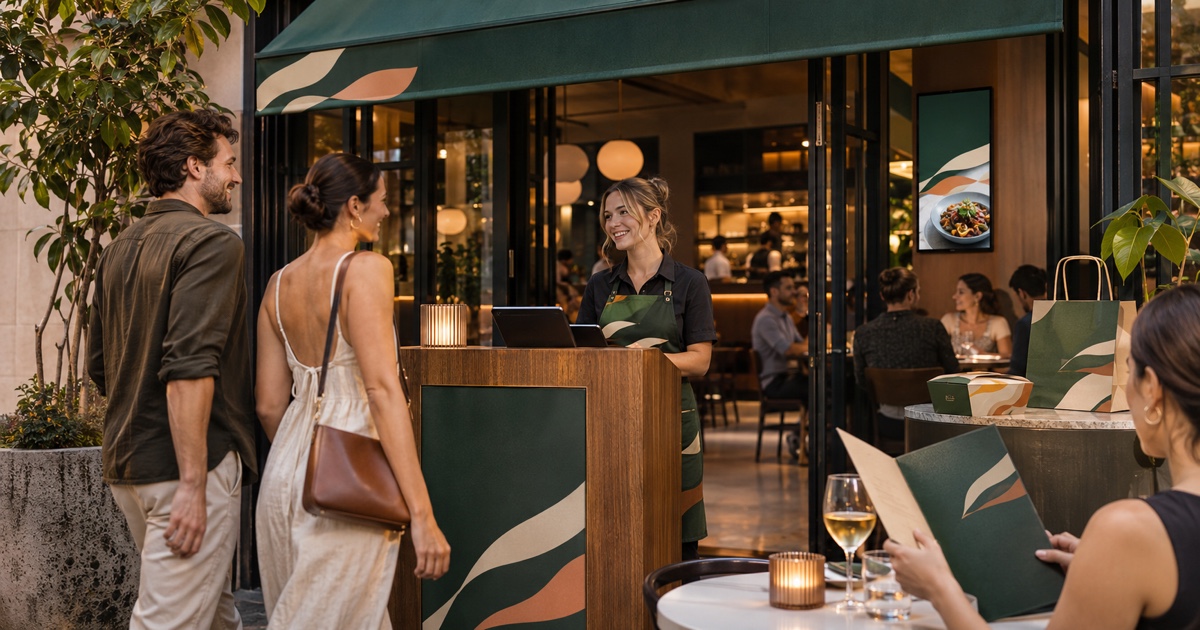
The four connected parts of the strategy
1. Restaurant brand foundations
Positioning, tone and visual rules give menus, promotions and guest communications a consistent point of view instead of a collection of unrelated campaigns. In practice, this part of Restaurant Marketing Agency should also support restaurant marketing services without creating a separate message, workflow or source of truth.
2. Content and storytelling
A repeatable photography, video and copy plan captures dishes, people, service and occasions without interrupting the kitchen or floor team. In practice, this part of Restaurant Marketing Agency should also support restaurant advertising without creating a separate message, workflow or source of truth.
3. Local discovery
Website pages, maps, reviews and venue details should make it easy to confirm location, hours, menu, accessibility, events and the correct booking route. In practice, this part of Restaurant Marketing Agency should also support local restaurant marketing without creating a separate message, workflow or source of truth.
4. Campaigns and retention
Paid media, event promotion, email and social content can support quieter sessions, launches and seasonal moments when offers align with capacity and margin. In practice, this part of Restaurant Marketing Agency should also support restaurant content strategy without creating a separate message, workflow or source of truth.
Understand the role of each core service
Each service should have a clear role. Some work builds recognition, some captures active demand, some improves conversion and some supports the experience after the customer arrives. This creates a clearer role for Restaurant Marketing Agency inside the wider business plan.
The mix should reflect the current constraint. A venue with strong awareness but a weak booking path needs a different first step from a new concept that has no recognisable identity or content library. Review the arrangement at a defined interval and record decisions so the process improves rather than restarts each month.
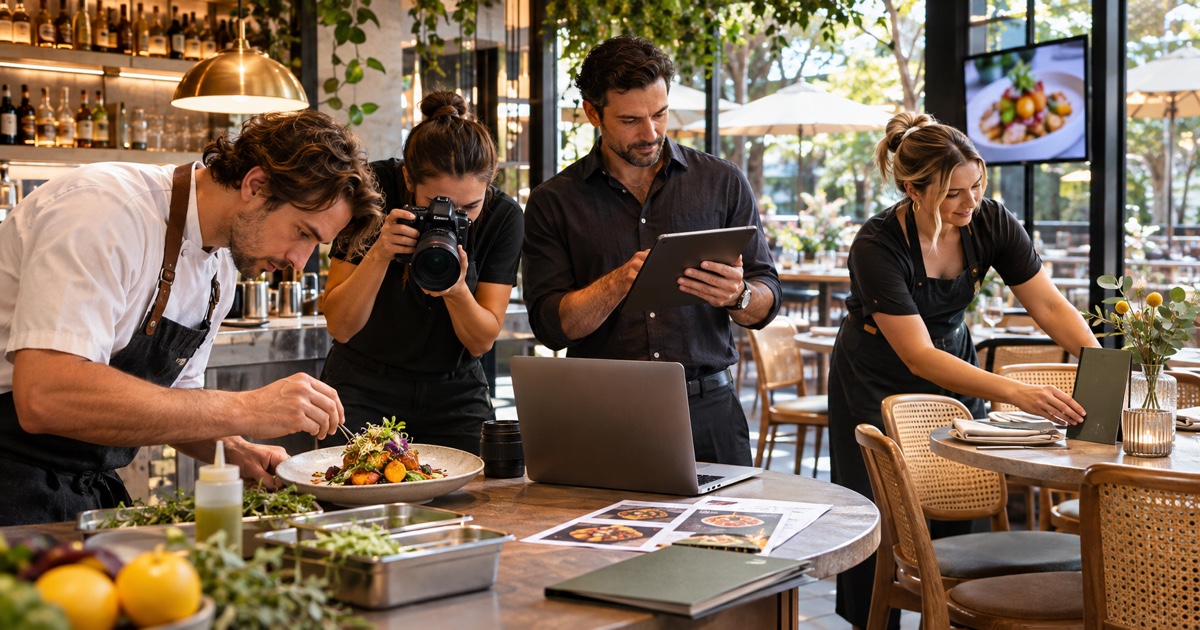
Applying the strategy in the Australian market
Australian customers frequently compare local options on mobile, move between maps, social content and websites, and expect key information to be current. That makes restaurant marketing services, restaurant advertising and local restaurant marketing connected responsibilities rather than isolated deliverables.
Location, season, events, public holidays and regional travel patterns can change demand. Plans should therefore leave room for restaurant content strategy and restaurant bookings marketing once the foundations are reliable. Avoid claims about proximity or market knowledge that cannot be supported; use customer evidence, venue data and direct operational learning instead.
How the work moves from strategy to daily use
Start with a short discovery phase covering audience, offer, locations, seasonality, available evidence and the decisions the business wants customers to make. For Restaurant Marketing Agency, the brief should identify which information changes often and which brand or technical rules must remain stable.
Next, assign owners for planning, creation, fact checking, approval, publishing and reporting. Give each owner a realistic turnaround time and a documented escalation path for urgent changes. This is particularly important in hospitality, where a menu, room package, event detail or available session can change after a campaign has been prepared.
Finally, review results with the people closest to service. Combine analytics with booking, sales or enquiry information and staff observations. The review should end with a decision: continue, refine, pause or test a better version.
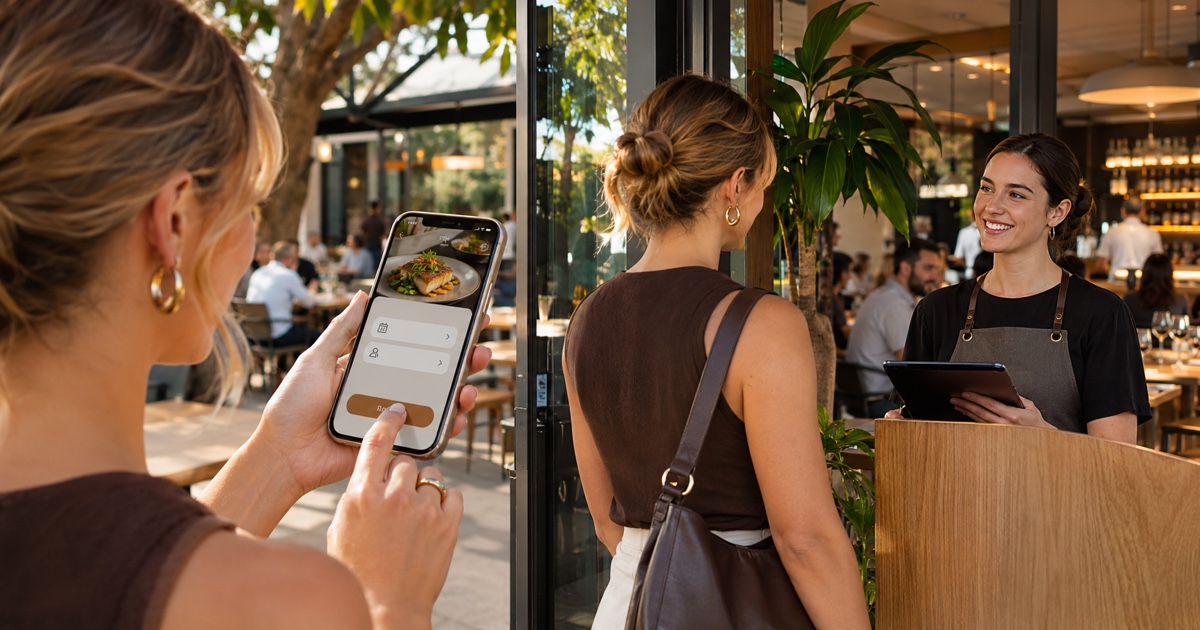
Common mistakes to prevent
- Discounting without a defined commercial purpose.
- Capturing content during peak service.
- Allowing menus and profiles to disagree.
- Reporting clicks without covers or booking data.
These issues usually appear when one part of Restaurant Marketing Agency is purchased or produced without considering the customer journey and the team responsible for maintaining it. A clear brief, named owners and scheduled reviews reduce that risk.
What useful measurement looks like
Choose measures that reflect the role of the work. A practical Restaurant Marketing Agency dashboard may include:
- Covers in target sessions
- Booking conversion
- Local discovery actions
- Repeat guest and subscriber response
Agree on definitions and sources before launch. Compare performance with capacity, availability and the original objective, then record the action the team will take. Reporting is valuable when it improves a decision, not when it simply produces a larger monthly document.
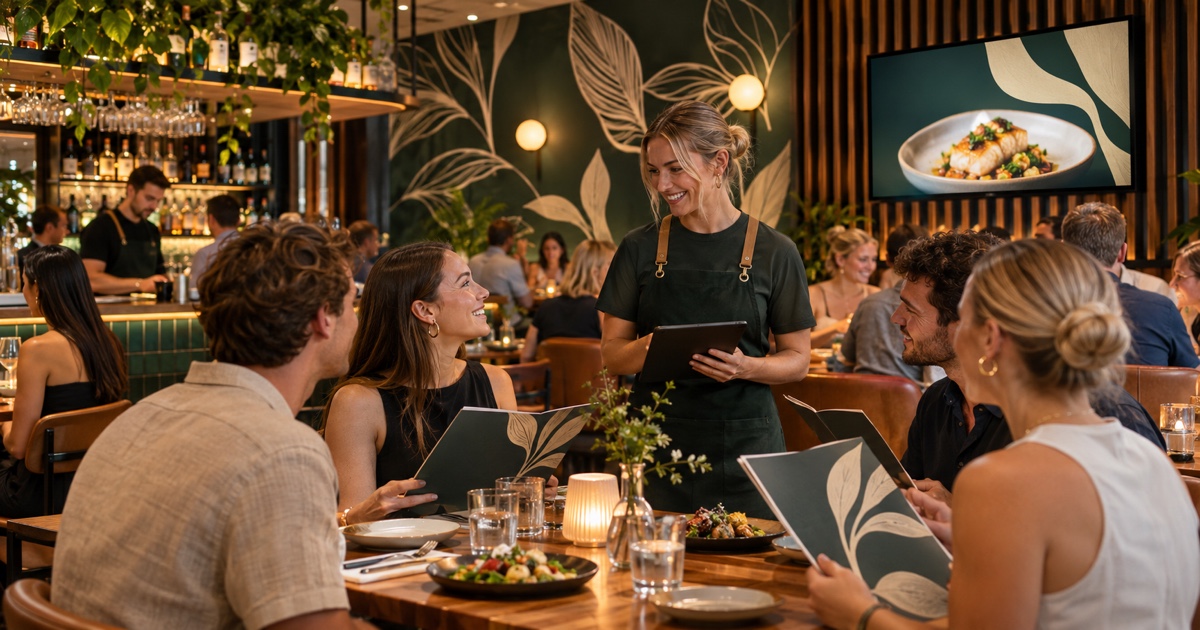
A practical readiness checklist
Before starting Restaurant Marketing Agency, confirm the primary commercial objective, priority audience, available budget, launch date and the person who can approve decisions. Collect current brand files, website and profile access, campaign history, venue calendars, accurate offer details and any operational rules that the work must respect.
Also decide what the internal team can realistically maintain after launch. Record who owns accounts, source files, templates, data and supplier relationships. If an essential input is missing, either resolve it during discovery or state the assumption clearly. This makes scope, timing and accountability easier to compare and reduces expensive rework later.
Set one early review date before production begins. At that meeting, check whether the original objective, audience and operational assumptions are still correct, whether approvals are moving at the expected pace and whether the next stage should be adjusted. This small governance step keeps activity aligned with current trading conditions.
Review Goldroom’s digital marketing services alongside its branding capability for an approach that connects discovery, message and conversion.
Frequently asked questions
Why is restaurant brand foundations important?
Positioning, tone and visual rules give menus, promotions and guest communications a consistent point of view instead of a collection of unrelated campaigns. It should be defined early because later creative, channel and measurement decisions depend on it.
How does content and storytelling support the wider strategy?
A repeatable photography, video and copy plan captures dishes, people, service and occasions without interrupting the kitchen or floor team. The strongest result comes when it follows the same audience, promise and operational facts as the other components.
Can a smaller venue start with a limited Restaurant Marketing Agency scope?
Yes. Start with the most important commercial constraint and a manageable operating rhythm. Build reliable foundations, measure a small number of useful actions and expand only when the team can maintain the work.
How often should performance be reviewed?
Operational checks may be weekly during active campaigns, while a deeper commercial review can happen monthly or quarterly. The right frequency depends on spend, trading pace, seasonality and how quickly the business can act on findings.
What should a Restaurant Marketing Agency brief include?
Include the business objective, audiences, offer, locations, customer journey, required outputs, owners, approval times, systems, budget, timing and measurement definitions. Also state operational limits and information that changes frequently.
Bring the parts together around one business objective
Effective Restaurant Marketing Agency is not a checklist of disconnected deliverables. It is a coordinated system that helps customers understand the brand and helps the team deliver what has been promised.
Goldroom works across hospitality branding, digital marketing, content and venue media. Contact Goldroom to discuss the objective, operating context and right starting scope for your venue or local brand.