

Restaurant Social Media Marketing is most useful when its parts are understood as one commercial system. A sustainable restaurant social plan balances regular brand visibility with the fast-moving reality of menus, events, staffing and customer participation. The work therefore needs to connect what customers see with what the business can deliver.
This guide explains the major components behind Restaurant Social Media Marketing, how they support one another and where Australian hospitality operators should place responsibility. It also shows how priorities such as social media for restaurants, restaurant Instagram marketing, restaurant reels fit into daily planning, measurement and long-term brand consistency.
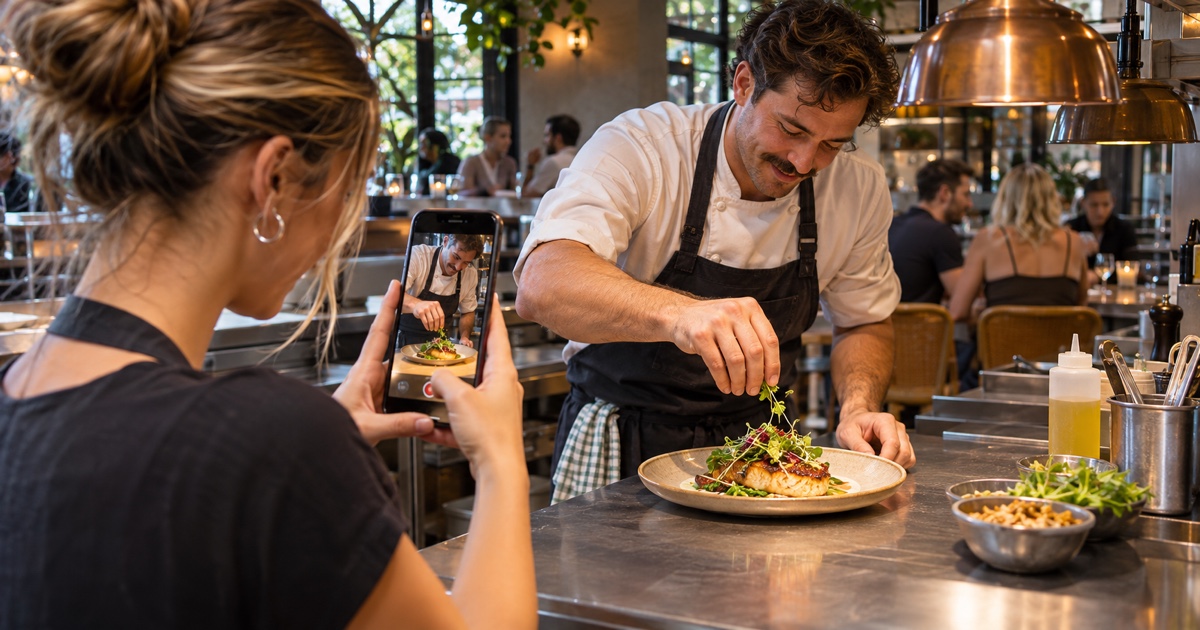
Applying the strategy in the Australian market
Australian customers frequently compare local options on mobile, move between maps, social content and websites, and expect key information to be current. That makes social media for restaurants, restaurant Instagram marketing and restaurant reels connected responsibilities rather than isolated deliverables.
Location, season, events, public holidays and regional travel patterns can change demand. Plans should therefore leave room for restaurant content strategy and restaurant promotions social media once the foundations are reliable. Avoid claims about proximity or market knowledge that cannot be supported; use customer evidence, venue data and direct operational learning instead.
Plan around occasions, dayparts and live operations
Hospitality demand changes by occasion and time. Breakfast, lunch, dinner, stays, events and future bookings may need different messages even when the brand remains consistent. This creates a clearer role for Restaurant Social Media Marketing inside the wider business plan.
Connect marketing timing with stock, staffing, booking windows and service capacity. The aim is useful demand at the right moment, not maximum attention when the venue cannot respond well. Review the arrangement at a defined interval and record decisions so the process improves rather than restarts each month.
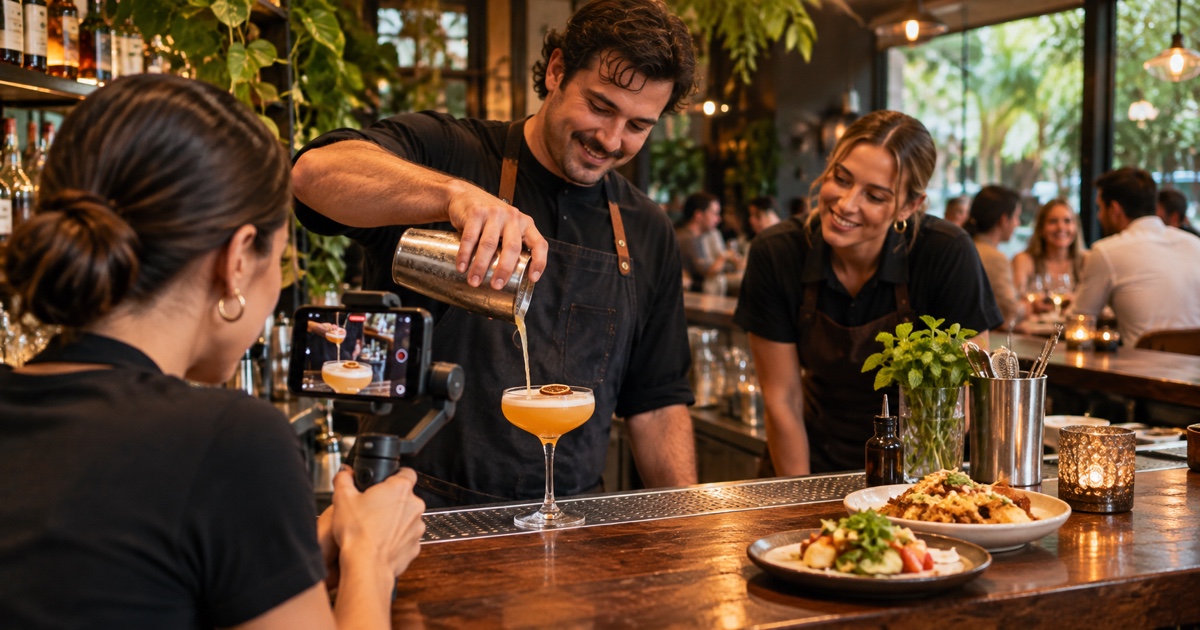
The four connected parts of the strategy
1. Feed posts
Planned posts can explain signature dishes, people, values and occasions, building a recognisable story that remains useful beyond a single day. In practice, this part of Restaurant Social Media Marketing should also support social media for restaurants without creating a separate message, workflow or source of truth.
2. Short-form reels
Movement, sound and behind-the-scenes moments can communicate preparation and atmosphere quickly when filming is planned around staff and guest privacy. In practice, this part of Restaurant Social Media Marketing should also support restaurant Instagram marketing without creating a separate message, workflow or source of truth.
3. Offers and calls to action
Promotions need clear conditions, timing, capacity and a direct booking or ordering path so engagement can become a useful commercial action. In practice, this part of Restaurant Social Media Marketing should also support restaurant reels without creating a separate message, workflow or source of truth.
4. Event and community content
Announcements, live coverage and follow-up content can extend an event's value while showing how the restaurant participates in its local community. In practice, this part of Restaurant Social Media Marketing should also support restaurant content strategy without creating a separate message, workflow or source of truth.
How the work moves from strategy to daily use
Start with a short discovery phase covering audience, offer, locations, seasonality, available evidence and the decisions the business wants customers to make. For Restaurant Social Media Marketing, the brief should identify which information changes often and which brand or technical rules must remain stable.
Next, assign owners for planning, creation, fact checking, approval, publishing and reporting. Give each owner a realistic turnaround time and a documented escalation path for urgent changes. This is particularly important in hospitality, where a menu, room package, event detail or available session can change after a campaign has been prepared.
Finally, review results with the people closest to service. Combine analytics with booking, sales or enquiry information and staff observations. The review should end with a decision: continue, refine, pause or test a better version.
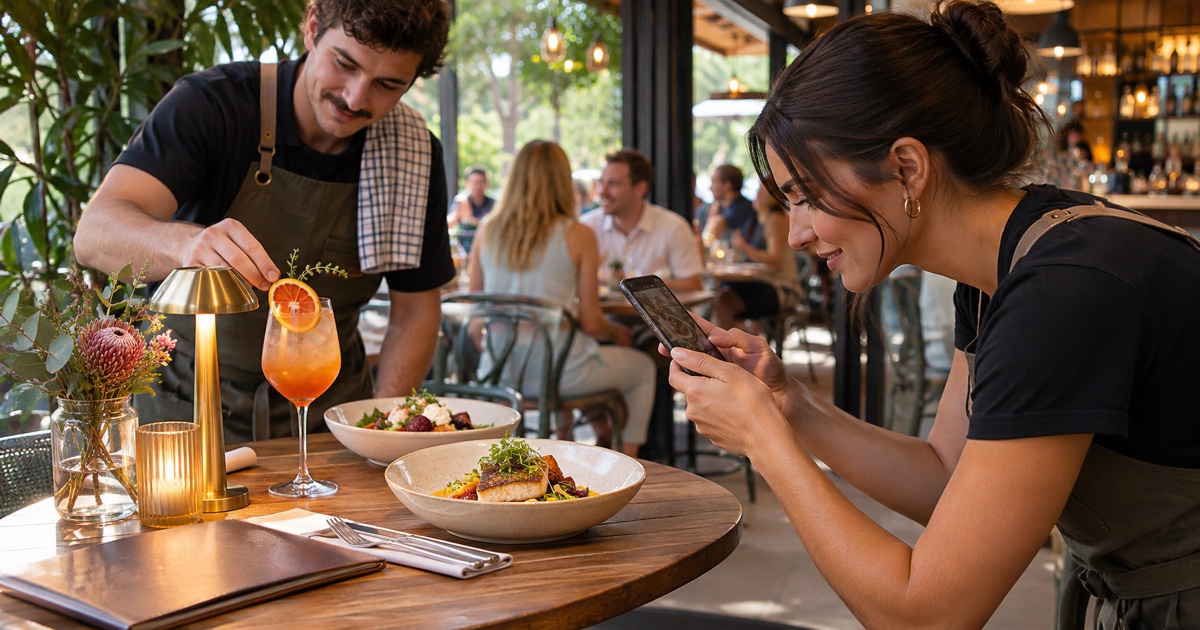
Common mistakes to prevent
- Posting without a defined audience action.
- Filming guests without an appropriate process.
- Promoting expired information.
- Judging every format by the same metric.
These issues usually appear when one part of Restaurant Social Media Marketing is purchased or produced without considering the customer journey and the team responsible for maintaining it. A clear brief, named owners and scheduled reviews reduce that risk.
What useful measurement looks like
Choose measures that reflect the role of the work. A practical Restaurant Social Media Marketing dashboard may include:
- Profile-to-booking actions
- Qualified engagement
- Offer and event response
- Growth in reusable content assets
Agree on definitions and sources before launch. Compare performance with capacity, availability and the original objective, then record the action the team will take. Reporting is valuable when it improves a decision, not when it simply produces a larger monthly document.
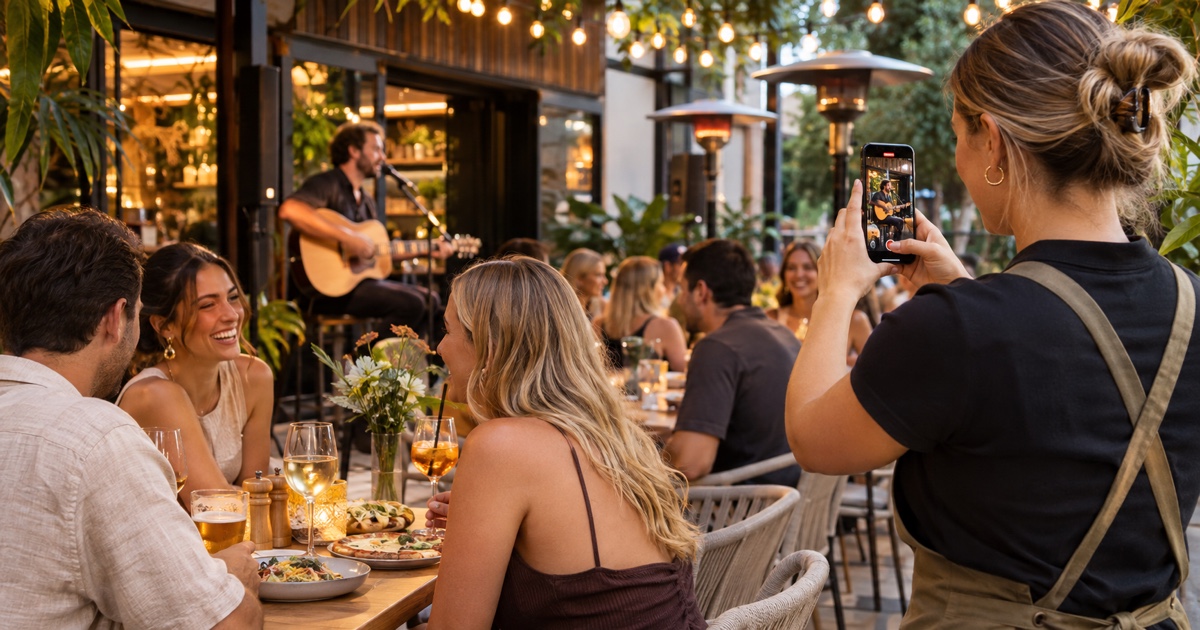
A practical readiness checklist
Before starting Restaurant Social Media Marketing, confirm the primary commercial objective, priority audience, available budget, launch date and the person who can approve decisions. Collect current brand files, website and profile access, campaign history, venue calendars, accurate offer details and any operational rules that the work must respect.
Also decide what the internal team can realistically maintain after launch. Record who owns accounts, source files, templates, data and supplier relationships. If an essential input is missing, either resolve it during discovery or state the assumption clearly. This makes scope, timing and accountability easier to compare and reduces expensive rework later.
Set one early review date before production begins. At that meeting, check whether the original objective, audience and operational assumptions are still correct, whether approvals are moving at the expected pace and whether the next stage should be adjusted. This small governance step keeps activity aligned with current trading conditions.
Review Goldroom’s digital marketing services alongside its branding capability for an approach that connects discovery, message and conversion.
Frequently asked questions
Why is feed posts important?
Planned posts can explain signature dishes, people, values and occasions, building a recognisable story that remains useful beyond a single day. It should be defined early because later creative, channel and measurement decisions depend on it.
How does short-form reels support the wider strategy?
Movement, sound and behind-the-scenes moments can communicate preparation and atmosphere quickly when filming is planned around staff and guest privacy. The strongest result comes when it follows the same audience, promise and operational facts as the other components.
Can a smaller venue start with a limited Restaurant Social Media Marketing scope?
Yes. Start with the most important commercial constraint and a manageable operating rhythm. Build reliable foundations, measure a small number of useful actions and expand only when the team can maintain the work.
How often should performance be reviewed?
Operational checks may be weekly during active campaigns, while a deeper commercial review can happen monthly or quarterly. The right frequency depends on spend, trading pace, seasonality and how quickly the business can act on findings.
What should a Restaurant Social Media Marketing brief include?
Include the business objective, audiences, offer, locations, customer journey, required outputs, owners, approval times, systems, budget, timing and measurement definitions. Also state operational limits and information that changes frequently.
Bring the parts together around one business objective
Effective Restaurant Social Media Marketing is not a checklist of disconnected deliverables. It is a coordinated system that helps customers understand the brand and helps the team deliver what has been promised.
Goldroom works across hospitality branding, digital marketing, content and venue media. Contact Goldroom to discuss the objective, operating context and right starting scope for your venue or local brand.